
From Bearing Replacement to Structural Optimization
A cost-reduction case for a large bearing with an outer diameter of 1.5 meters used in high-speed precision grinding equipment.
Project Overview
A reliable domestic solution—not a simple copy
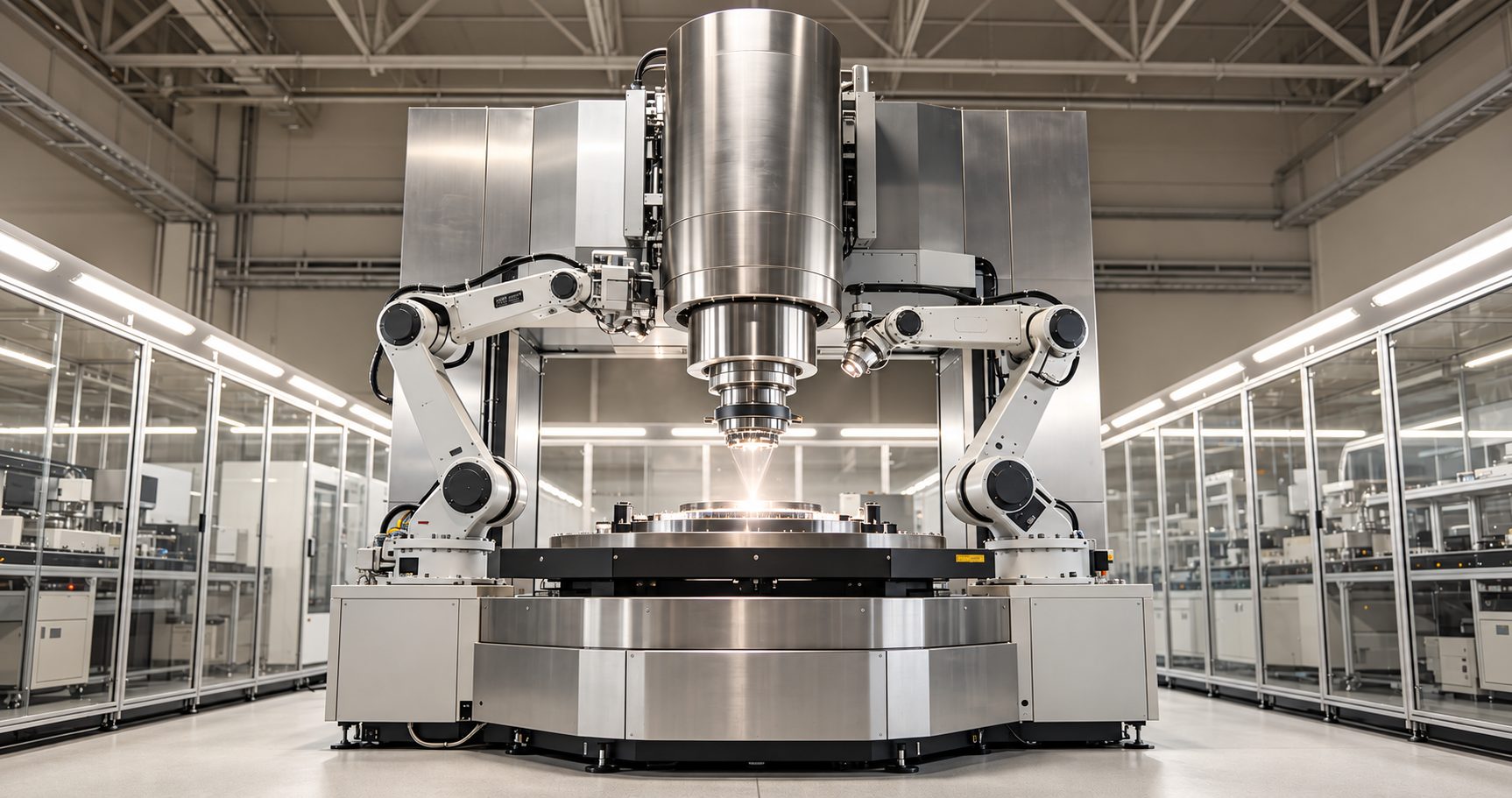
Our customer is a manufacturer of precision grinding equipment in the optoelectronics industry. Its machine requires a large bearing with an outside diameter of approximately 1.5 meters.
The original prototype used a German INA crossed roller slewing bearing. Although its performance was stable, the high procurement cost increased the total manufacturing cost of the equipment. The customer therefore sought a reliable and more competitive domestic alternative.
Initial Evaluation
Quality could not be sacrificed for a lower quotation
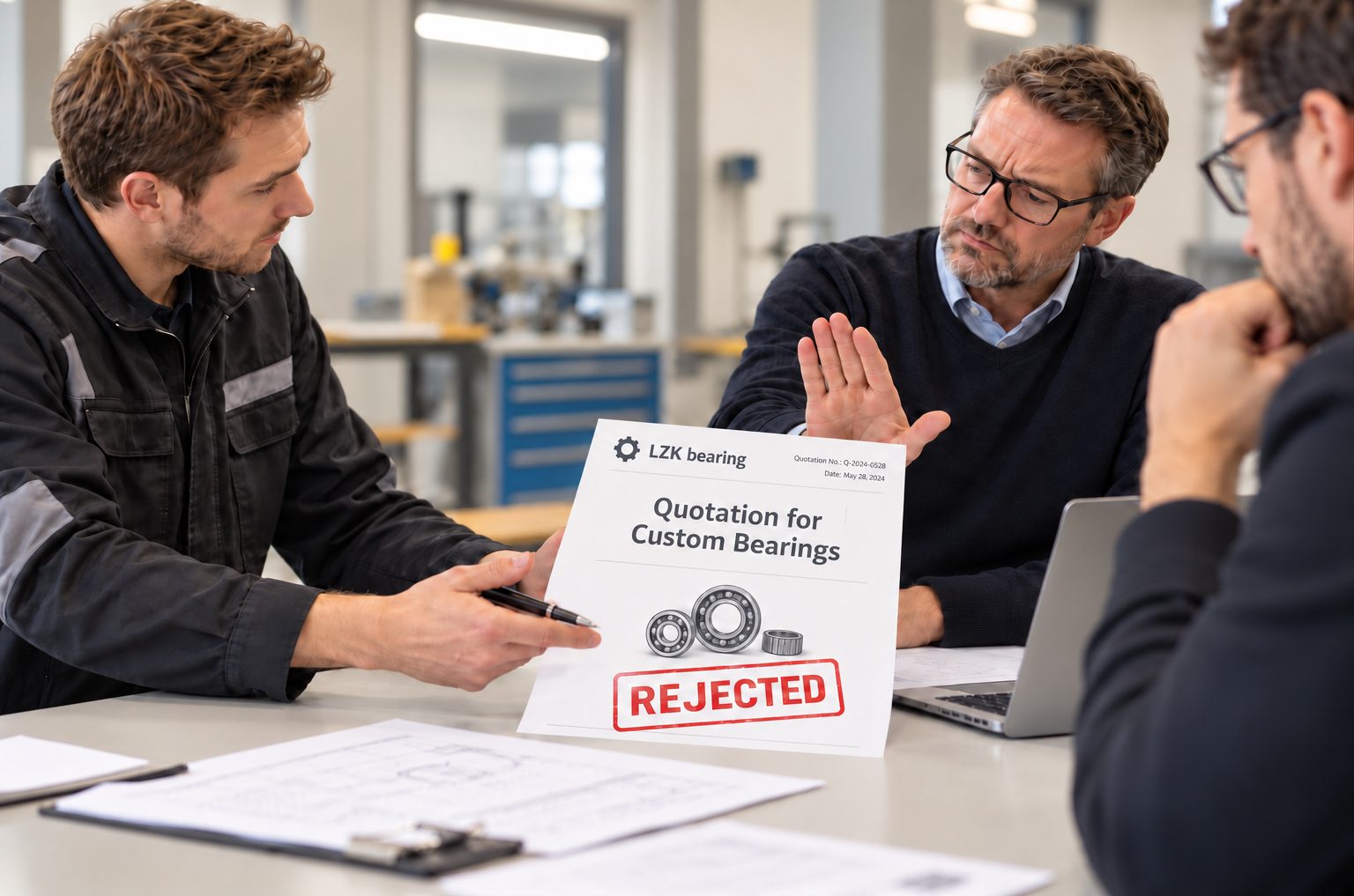
During the first evaluation, we designed the bearing to high standards for precision, load capacity and operational reliability. The quotation was therefore higher than some competing offers, and the customer initially declined the proposal.
Because the bearing directly affects machining accuracy and machine stability, the customer conducted a deeper review of our experience and quality reputation, then returned to request a more cost-effective solution based on the equipment's actual operating conditions.
Large diameter and direct impact on machining accuracy
Imported bearing cost reduced equipment competitiveness
Performance standards could not simply be lowered
Operating Condition Analysis
The original bearing type was not the best structural match
Instead of reducing material or manufacturing standards, our engineers re-examined the application from first principles.
Rotational Speed
High SpeedThe equipment required a bearing structure with lower complexity and more suitable high-speed behavior.
Operating Load
Light LoadThe crossed roller bearing's heavy-load advantages were not being fully utilized.
Mounting Structure
Interfaces RetainedExisting bolt holes and major mounting interfaces needed to remain unchanged.
Application Priority
Accuracy & StabilityThe optimized design still had to protect rotational precision and stable operation.
Crossed Roller Slewing Bearing
Best suited to low-speed, heavy-load conditions and large overturning moments.
Over-specified for this applicationFour-point Contact Ball Slewing Bearing
Better matched to the customer's high-speed and light-load operating conditions.
Application-driven solutionCustomized Implementation
New internal geometry, unchanged mounting interfaces
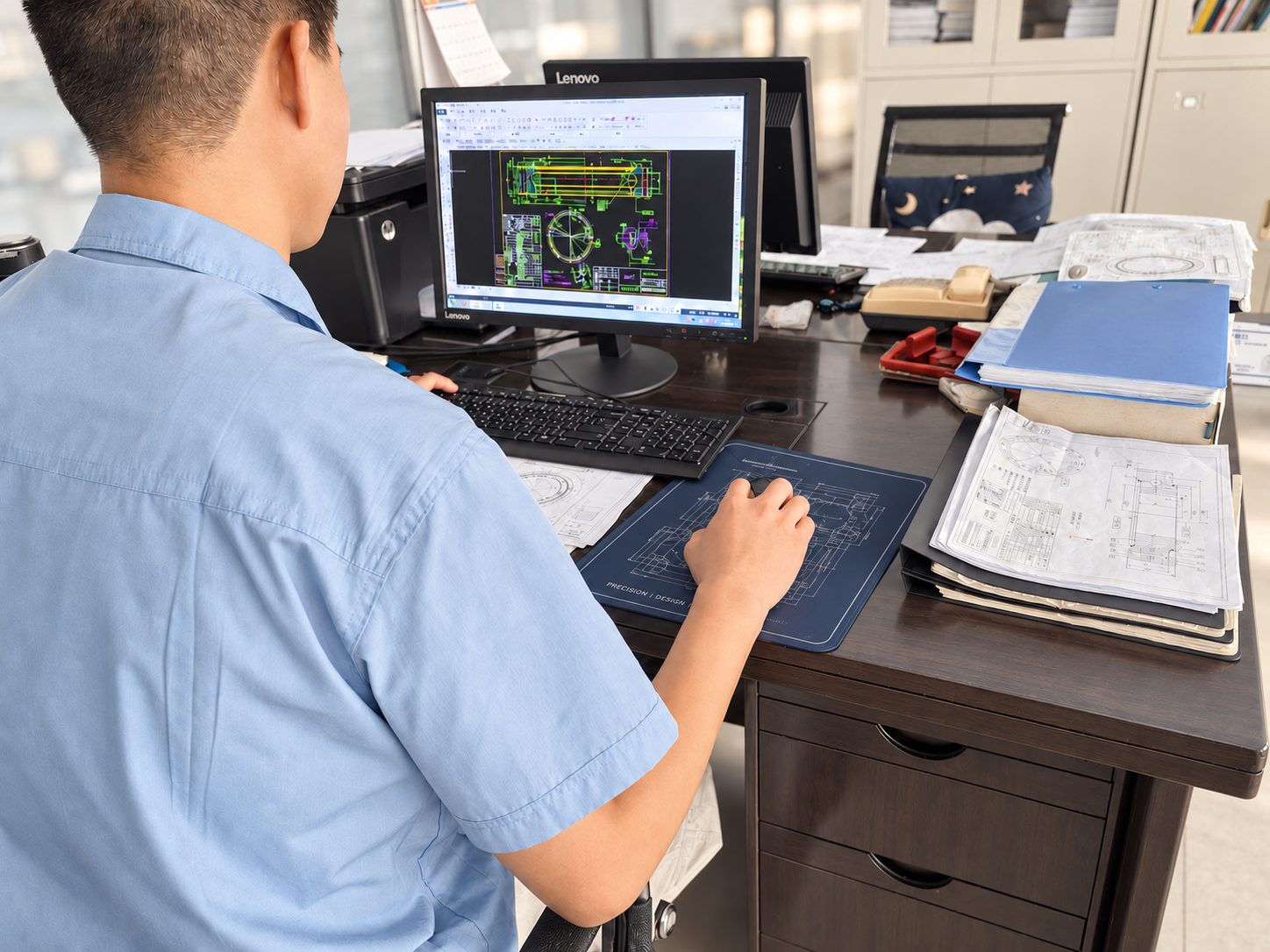
Based on the actual operating conditions, we recommended replacing the original crossed roller slewing bearing with a four-point contact ball slewing bearing.
While retaining the original mounting holes and major installation interfaces, we redesigned the internal structure and raceway parameters so the new bearing could directly fit the customer’s existing equipment.
- Original mounting holes retained
- Major interfaces unchanged
- Internal structure redesigned
- Raceway parameters optimized
 Structure ComparisonCrossed roller vs. four-point contact ball design
Manufacturing Implementation
From engineering design to full-scale production
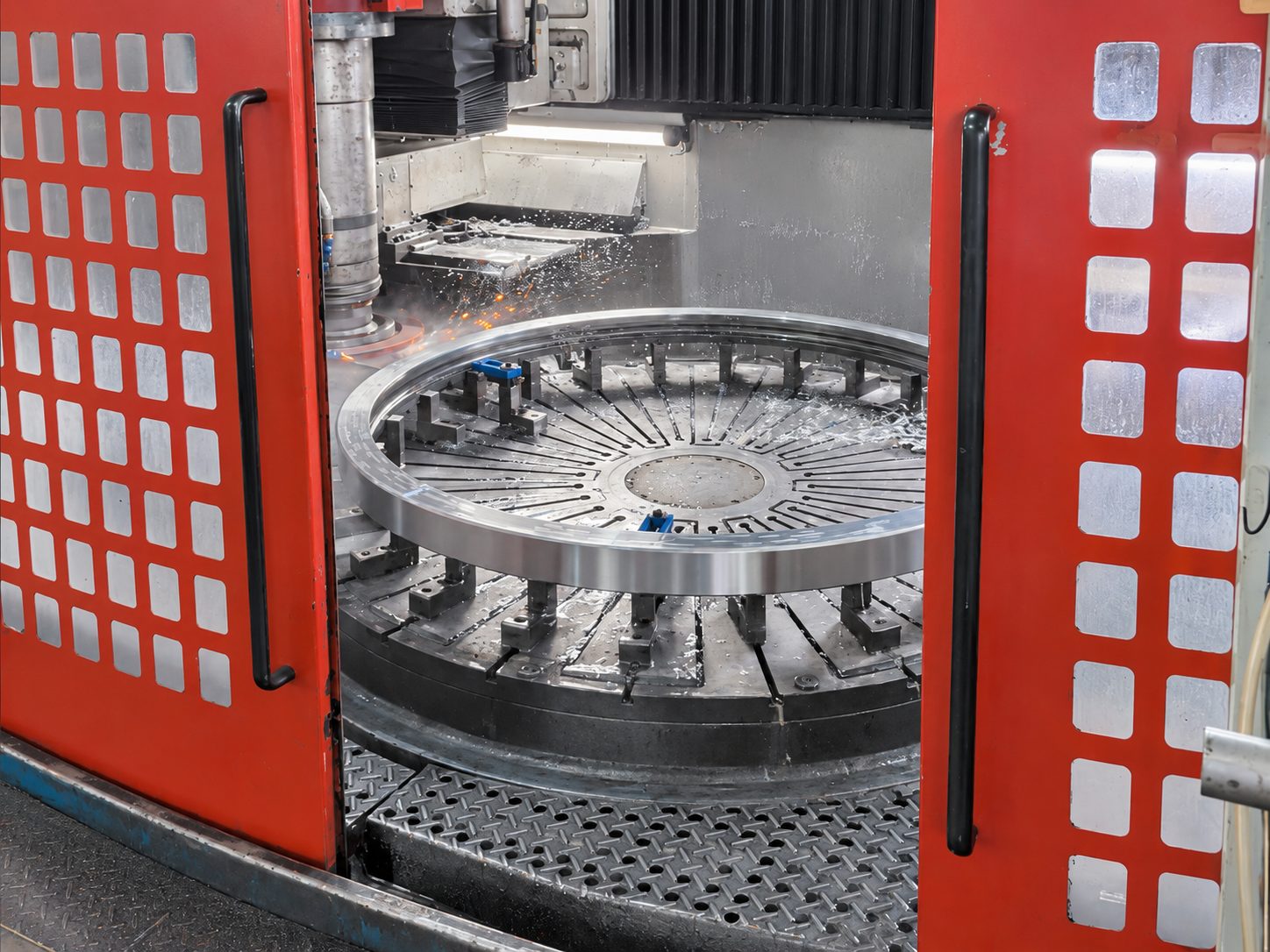
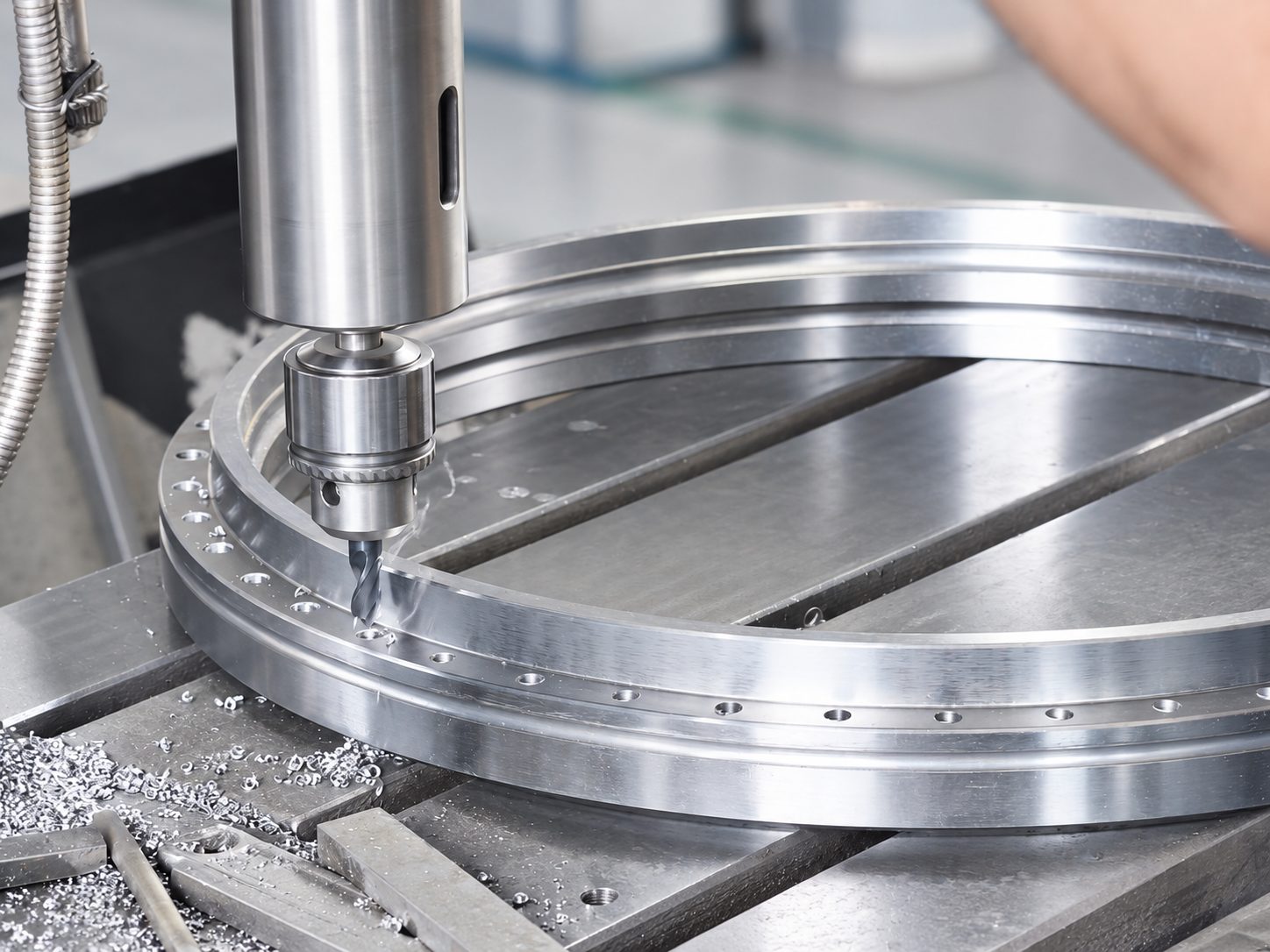
The simplified bearing structure and optimized manufacturing process reduced cost while preserving the performance required by the machine.
Project Results
Lower cost through better engineering—not lower standards
The optimized four-point contact ball slewing bearing met the machine’s requirements for rotational accuracy, operating stability and load capacity while being better suited to high-speed, light-load operation.
The customer adopted the proposal and recognized our capabilities in condition analysis, bearing selection and custom design, establishing cooperation between both parties.
Successfully adapted to the customer’s existing equipment and mounting interfaces.
This project was not a reproduction of an imported bearing. It was a structural optimization developed from the machine’s real operating requirements.
Integrated Capability
Engineering value across the full project
Selection Evaluation
Identifying whether the original bearing type truly matched the application.
Condition Analysis
Reviewing speed, load, mounting structure and performance priorities.
Structural Design
Optimizing internal geometry while retaining installation interfaces.
Localized Production
Turning a custom design into a practical, cost-effective manufacturing solution.
Engineering Consultation
Is the original bearing really the best choice?
Share your speed, load and mounting requirements. Our engineers can evaluate both equivalent replacement and structural optimization.