
01
What Problem Does It Solve?
The bearing outer diameter is a critical dimension that determines assembly quality. Deviations in outer diameter may lead to:
- Assembly Failure: If the diameter is too large, the bearing cannot be pressed into the housing; if too small, it may cause loosening and wear.
- Abnormal Clearance: Deviations in outside diameter directly alter the calculated radial clearance, affecting the bearing's dynamic performance.
- Bulk Rejections: Non-conforming sampling results in batch scrap, causing significant economic losses.
02
Main Functions
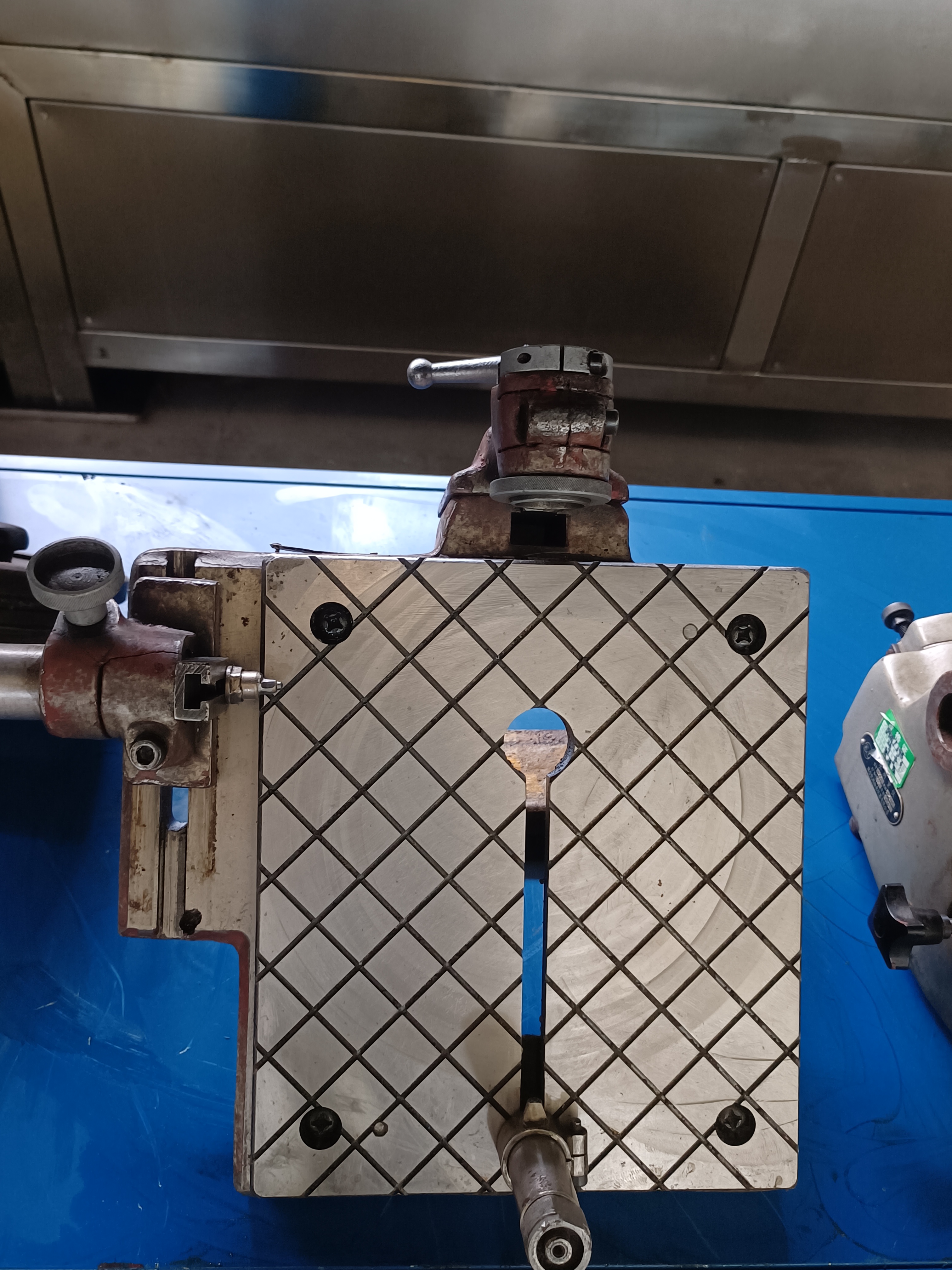
This equipment is specifically designed for precise measurement of bearing ring inner rings and outer rings. Its main functions include:
- Measuring bearing outside diameter, outside diameter variation in a single radial plane and mean outside diameter variation.
03
Coverage of Parameter Ranges
Based on different bearing sizes, the following dedicated outer diameter measuring instruments are configured to meet full production requirements:
| Model | Measuring Outside Diameter Range | Indication Error (μm) | Indication Repeatability (μm) | Typical Application |
|---|---|---|---|---|
| D913 | φ60 mm | ±0.001 | 0.001 | Small bearings |
| D913A | φ30 mm – φ120 mm | ±0.001 | 0.001 | Small–medium bearings |
| D914 | φ120 mm – φ215 mm | ±0.001 | 0.001 | Medium–large bearings |
| D915 | φ180 mm – φ300 mm | ±0.001 | 0.001 | Medium–large / large bearings |
| D916 | φ400 mm – φ600 mm | ±0.002 | 0.002 | Large / extra-large bearings |
04
Conclusion
All outer diameters of bearings produced in our factory are inspected using high-precision measuring instruments. This ensures that outer diameter dimensions fully comply with drawing requirements and guarantees perfect compatibility between your equipment and our products.